
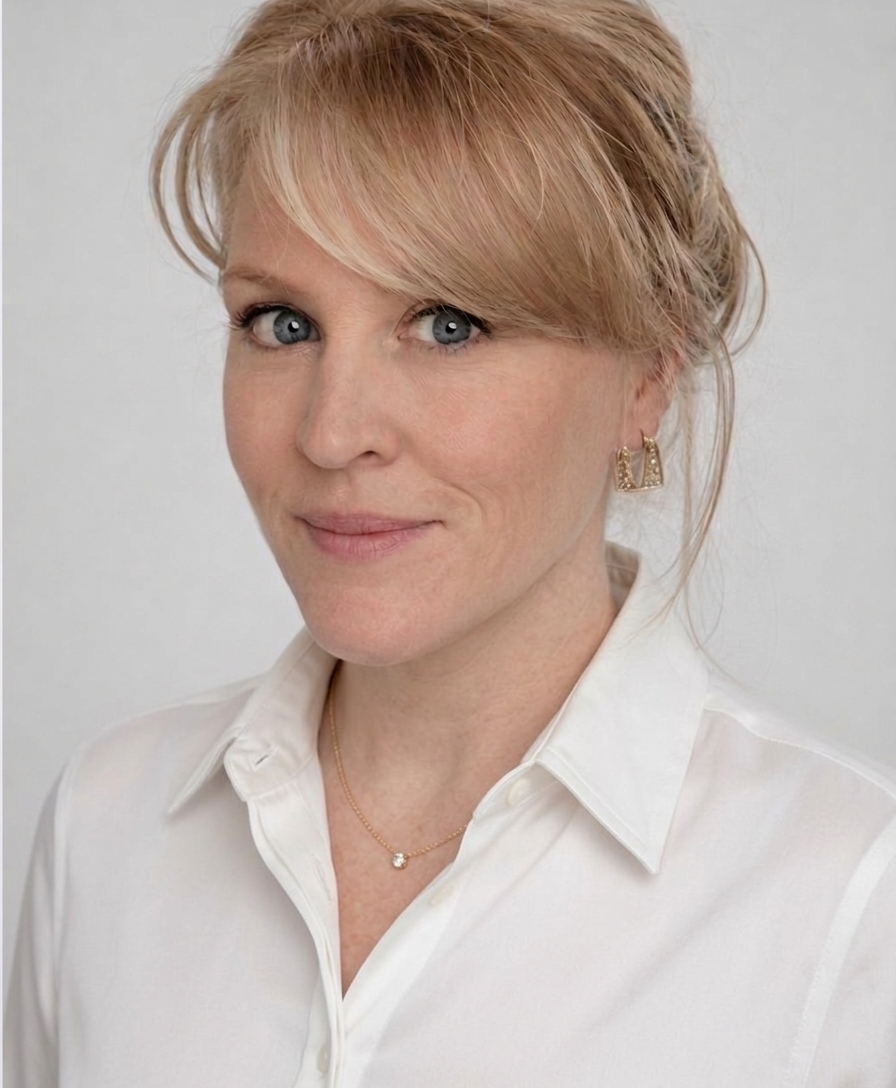

Charlotte Beard, PhD
Clinical Psychologist, Founder & Executive Director
Bio
Dr. Charlotte Beard is a licensed clinical psychologist and the Founder and Executive Director of OpenWorld Psychology. She leads a multidisciplinary group practice committed to thoughtful, evidence-based, and developmentally informed care across the lifespan. Her clinical and research expertise centers on Internet Gaming Disorder and problematic technology use, neurodevelopmental assessment, and obsessive-compulsive and related disorders, with a strong emphasis on diagnostic accuracy, psychometrics, and real-world functioning.
“Great-Fit” Clients
Dr. Beard may be a particularly good fit if you or your family are:
Concerned about video gaming or technology use that is interfering with school, work, relationships, or emotional well-being
Seeking a balanced, non-alarmist approach to gaming and screen use that focuses on function, values, and long-term outcomes rather than screen time alone
Looking for a comprehensive neurodevelopmental evaluation with careful attention to diagnostic clarity, validity, and meaningful recommendations
Navigating complex or overlapping concerns, such as ADHD, autism, anxiety, OCD, mood symptoms, or behavioral rigidity
Interested in care that is evidence-based, collaborative, and developmentally informed, rather than one-size-fits-all
Wanting clear explanations, transparency throughout the process, and practical guidance that can be applied at home, school, or work
Internet Gaming Disorder & Problematic Technology Use
Dr. Beard specializes in the assessment and treatment of Internet Gaming Disorder (IGD) and problematic digital media use across childhood, adolescence, and adulthood. Her clinical approach integrates cognitive-behavioral therapy, motivational interviewing, and family- and systems-informed strategies, with treatment plans tailored to developmental stage, neurodiversity, and functional impact.
Her work is grounded in an extensive research program examining the psychological mechanisms underlying problematic gaming, including gaming-contingent self-worth, self-esteem, motivation, emotion regulation, family cohesion, anxiety, and cross-cultural risk and protective factors. Dr. Beard has authored and co-authored numerous peer-reviewed publications on Internet Gaming Disorder and related constructs and is frequently invited to speak on evidence-based treatment, ethical considerations, and the evolving digital landscape.
Clinically, she emphasizes collaboration with clients and families, focusing on sustainable behavior change, values-driven goal setting, and restoring balance without pathologizing technology use. She regularly works with individuals who have co-occurring ADHD, anxiety, depression, autism, and OCD, and she provides consultation when concerns extend across home, school, or work environments.
Neurodevelopmental Assessment Across the Lifespan
Dr. Beard has extensive experience in neurodevelopmental and psychological assessment across the lifespan, with advanced training in academic medical centers and specialty clinics serving both pediatric and adult populations. She conducts comprehensive evaluations for autism, ADHD, learning disorders, intellectual functioning, executive functioning, and complex diagnostic presentations involving emotional and behavioral concerns.
Her assessments integrate cognitive testing, behavioral rating scales, developmental history, and contextual factors, with a strong emphasis on psychometric rigor and interpretive clarity. A distinguishing feature of her work is her scholarly focus on test validity, practice effects, and prior exposure to cognitive measures, particularly in high-stakes contexts such as school admissions and gifted evaluations. She has published and presented on best-practice approaches for addressing these issues ethically and transparently.
Dr. Beard’s reports are designed to be clear, practical, and usable—providing actionable recommendations for clients, families, schools, and other professionals.
Obsessive-Compulsive Disorder & Related Conditions
In addition to her specialty areas, Dr. Beard has extensive experience treating obsessive-compulsive disorder (OCD) and related anxiety conditions across age groups. She utilizes evidence-based, exposure-informed and cognitive-behavioral approaches and frequently treats OCD when it co-occurs with neurodevelopmental differences or problematic technology use. This integrated perspective allows her to address compulsive behaviors, rigidity, avoidance, and reassurance-seeking within a broader developmental and functional context.
Leadership, Teaching, and Innovation
As Founder and Executive Director of OpenWorld Psychology, Dr. Beard oversees clinical operations, training, and strategic growth, with a strong commitment to ethical practice, clinician support, and high-quality care. She is also an Assistant Professor and Director of the MS in Psychology program at Palo Alto University, where she leads curriculum modernization and directs the Studies on Innovation, Gaming, and Neurodivergence (SING) Lab, focusing on technology, human-computer interaction, and mental health.
She is actively involved in professional leadership, institutional review boards, and national conversations on ethics in digital mental health and emerging technologies.
Selected Publications & Scholarship
Selected peer-reviewed and scholarly work informing Dr. Beard’s clinical approach includes:
Beard, C. L., & Wickham, R. E. (2016). Gaming-contingent self-worth, gaming motivation, and Internet Gaming Disorder. Computers in Human Behavior.
Beard, C. L., Haas, A. L., Wickham, R. E., & Stavropoulos, V. (2017). Age of initiation and Internet Gaming Disorder: The role of self-esteem. Cyberpsychology, Behavior, and Social Networking.
Stavropoulos, V., Beard, C. L., Kuss, D. J., & Griffiths, M. D. (2019). A cross-cultural study of Internet Gaming Disorder and related risk factors. Addictive Behavior Reports.
Gomez, R., Stavropoulos, V., Beard, C. L., & Pontes, H. (2018). Item response theory analysis of the IGDS9-SF. International Journal of Mental Health and Addiction.
Soares, E. E., Bausback, K., Beard, C. L., et al. (2021). Social skills training for autism spectrum disorder: A meta-analysis. Journal of Technology in Behavioral Science.
Beard, C. L., Rousseau, A., Cajic, A., & colleagues (in revision). Practice IQ tests and validity concerns: Recommendations for best practice.